ROAM
THE $37/DAY INDEX: 14 CITIES WHERE YOUR MONEY OUTLASTS YOUR VISA
From a night bus into Tbilisi at 4am to a $6 guesthouse in Chiang Rai with a rooftop garden — our annual cost-of-travel index ranks the cities where a tight budget still buys a full life.
How to cross the Georgian border with $80 and no plan
Field NotesThe overnight bus economy: 6 routes under $12
TransportHostel kitchen diplomacy: feeding yourself for $3 in Eastern Europe
FoodRemote work from Vietnam: $900/month total cost breakdown
RemoteThe $40/Day Index
14 cities ranked by total daily cost — accommodation, food, and local transport included.
| # | City | Region | Daily Total | Sleep | Food | Move | Verdict |
|---|---|---|---|---|---|---|---|
| 01 | KutaisiGeorgiaEditor's Pick | Caucasus | $22 | $8 | $8 | $3 | Unreasonably cheap |
| 02 | HanoiVietnam | SE Asia | $26 | $9 | $10 | $4 | Density of value |
| 03 | KampotCambodia | SE Asia | $24 | $7 | $10 | $3 | Slow travel ideal |
| 04 | PlovdivBulgariaUnderrated | Balkans | $27 | $11 | $10 | $3 | Europe on the cheap |
| 05 | SarajevoBosnia | Balkans | $29 | $12 | $11 | $3 | History included free |
| 06 | Chiang MaiThailand | SE Asia | $28 | $10 | $11 | $4 | Remote work standard |
| 07 | KrakówPoland | E. Europe | $30 | $13 | $11 | $3 | EU adjacent, not EU priced |
| 08 | TbilisiGeorgia | Caucasus | $31 | $12 | $12 | $4 | Wine capital on a budget |
| 09 | OaxacaMexicoTrending | Latin Am. | $33 | $14 | $13 | $3 | Best food dollar ratio |
| 10 | MedellínColombia | Latin Am. | $34 | $14 | $13 | $4 | Perpetual spring, real cost |
| 11 | KotorMontenegro | Balkans | $38 | $16 | $14 | $4 | Adriatic without the markup |
| 12 | PortoPortugal | W. Europe | $41 | $18 | $15 | $4 | Euro zone, barely |
Full index with 40 cities, hostel names, and street-food coordinates — free in the weekly PDF.
Get the Full Index →The Night Bus Into Tbilisi Cost $4. The Education Was Free.

Old Town, Tbilisi · Photo taken at 5:14am after a $4 night bus from Kutaisi
The bus left Kutaisi at 11pm. It was a minivan, technically — a marshrutka, the Soviet-era minibus that still stitches the Caucasus together more reliably than any app-booked transfer. Twelve seats, no air conditioning, a driver who treated the mountain curves like personal slights to be overcome. I paid 10 Georgian lari. That's $3.70 at current exchange.
I arrived in Tbilisi at 4am with a hostel address written on the back of a restaurant receipt, a bag that had been repacked in seven countries, and the specific hunger that comes from sleeping upright for five hours. The city was dark except for the fortress on the cliff and the lit windows of a bakery already open for the bread-baking shift.
"The best travel writing is economic reporting. When you understand what things cost in a place, you understand everything — who lives there, who's leaving, what's being lost."
The hostel cost $9 a night. It had a rooftop with a view of the Narikala Fortress, a kitchen with a gas stove and a shelf of communal spices, and a notebook by the door where guests left recommendations. The notebook was in seven languages. The entry before mine was in Korean and included a hand-drawn map to a wine bar that charged $2 for a glass of amber wine poured by a woman who'd been making it the same way for thirty years.
This is the arithmetic of slow travel that no flight deal aggregator can calculate for you: the $9 bed becomes $6 when you split a dinner with three strangers you met in the kitchen. The $2 wine becomes a three-hour conversation with a retired schoolteacher who wants to know what young people in your country are afraid of. The math compounds daily in your favor, and the interest rate is denominated in something that doesn't show up on a bank statement.
$22.71/day · 7-night stay · Feb 2026
Georgia is not a secret. But it remains, for now, a place where the infrastructure of tourism hasn't yet priced out the infrastructure of actual life. You eat where locals eat because the tourist restaurants haven't fully colonized the old town yet. You take the marshrutka because the private transfer industry hasn't made it shameful. The window of this kind of travel is never permanent — ask anyone who did Southeast Asia in 2010 what happened to their $8/day — but it is, for the moment, real.
Free subscription. No spam. Just the routes.
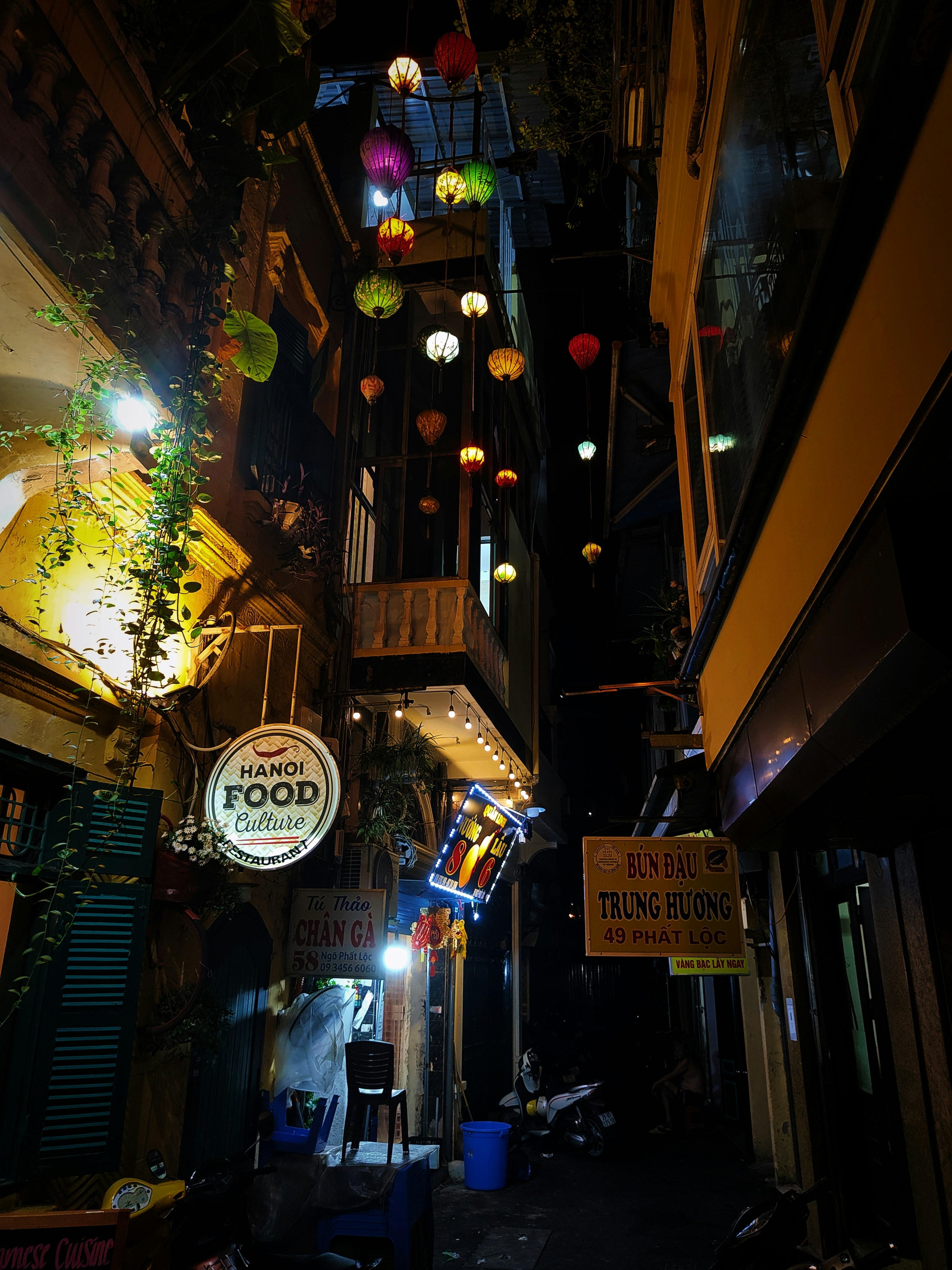
Hanoi at $26: The Case Against Moving On
SE Asia · 9 min read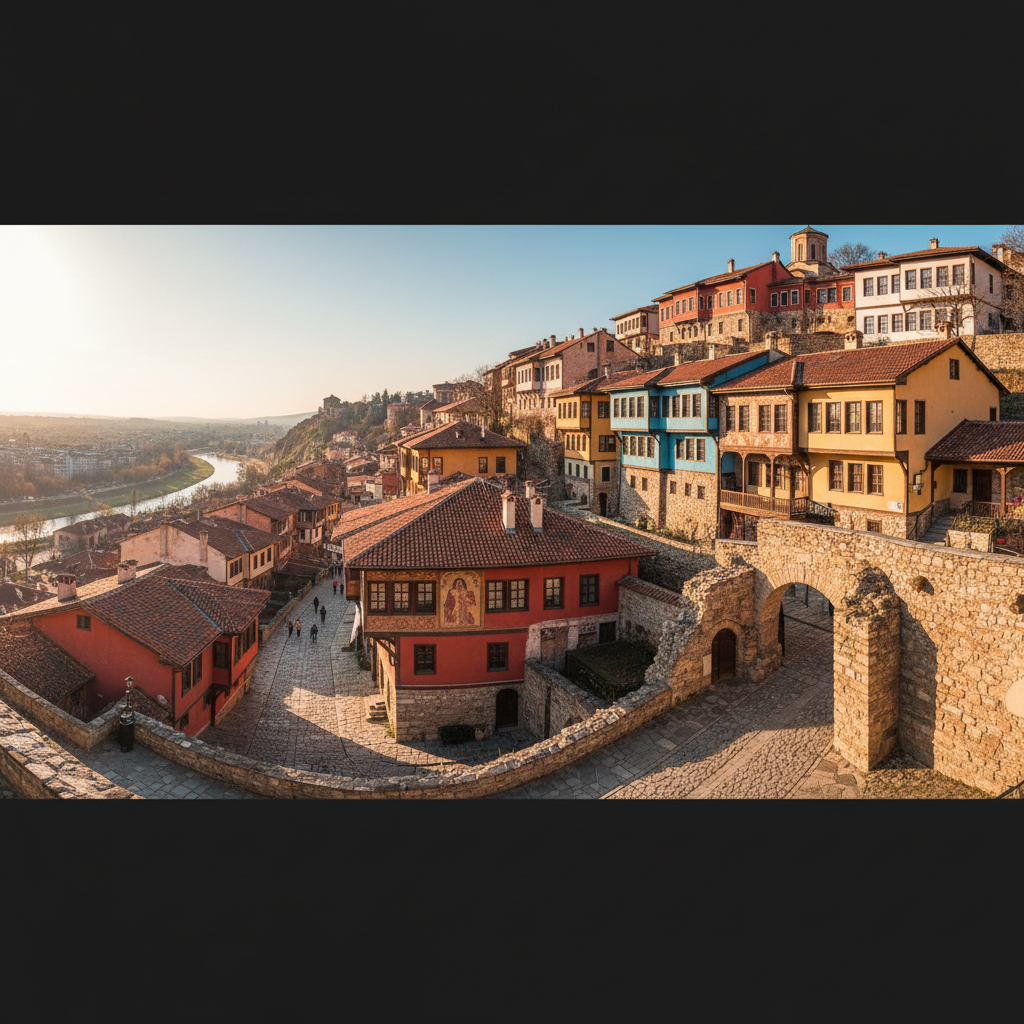
Plovdiv, Bulgaria: Europe's Cheapest Museum
Balkans · 7 min read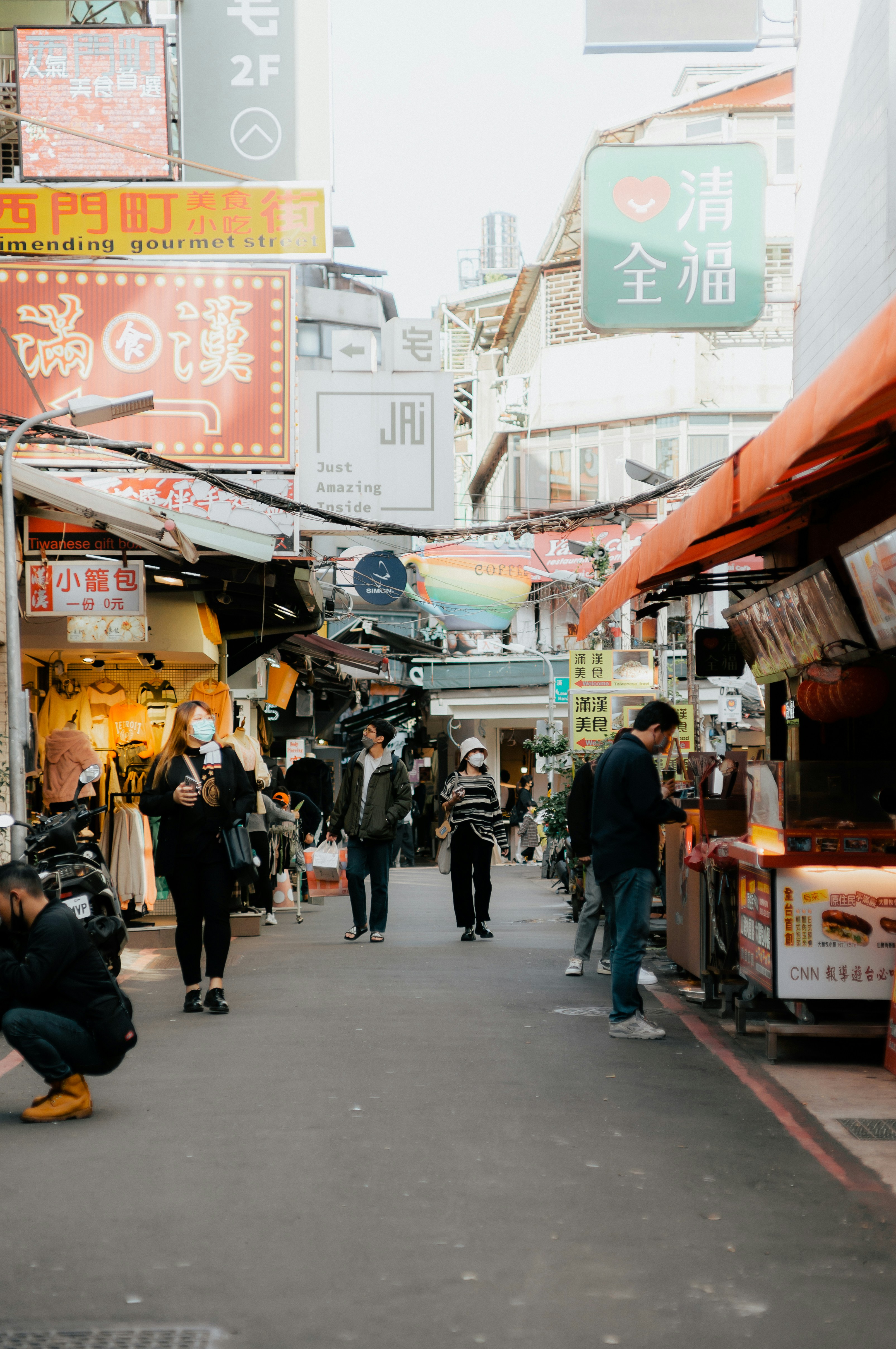
The Oaxaca Equation: $4 Meals, Zero Compromise
Latin Am. · 11 min read"The countries where your money goes furthest are usually the ones where the history goes deepest."
Gear. Borders. Kitchens. Money.
Quick-hit intelligence from the field. No affiliate links. No sponsored content.
Osprey Farpoint 40L — Still the Standard
After 14 countries, one airline confiscation attempt, and a night bus roof rack: the Farpoint 40 has not failed once. Compression straps hold. Hip belt distributes weight on 12-hour hauls. Fits overhead on every carrier except Ryanair (obviously).
Georgia → Armenia: The Sadakhlo Crossing
Open 24hrs. Rarely more than 20 minutes wait in either direction. Shared taxi from Tbilisi runs $8–12. The Armenian side has a money changer with rates 3–5% better than Yerevan airport. Bring small USD or EUR. No drama.
Hostel Kitchen Protocol for the Fiscally Serious
The $2 meal exists everywhere. Buy eggs, rice, and one local vegetable. Cook communally. The person who cooks for the group always eats for free — this is universal hostel law. Avoid "fully equipped" kitchens with no pans. They are lying.
Night Bus Economics: A Defense
The overnight bus is not a compromise. It is a time machine that converts sleeping hours into distance traveled. You arrive at dawn, the city is empty, and you saved a night's accommodation. Earplugs and a neck pillow are the only luxury items that pay for themselves.
The ATM Rule That Has Never Failed
Withdraw in local currency. Decline the bank's offered exchange rate. Use a Wise or Charles Schwab card. The spread on "dynamic currency conversion" is 3–8%. On a $200 withdrawal, that's $6–16 in fees. Over a 90-day trip: $180–480 wasted.
The Market Lunch Method
Every city with a central market has a section where market workers eat lunch. The food there is: local, cheap ($1.50–3), and made fresh daily because the clientele are not tourists. Find the market. Follow the workers at noon. Eat what they eat.
200+ field notes archived across 60 countries. Searchable by gear type, border crossing, and budget tier.
Browse Archive →The City Index.
Every week. Forty cities.
Every Thursday: a ranked PDF of the 40 cheapest cities for the coming month, with per-day cost breakdowns, one long-form dispatch from the field, and six field notes from the classified section.
"I used the Tbilisi issue to plan a 6-week trip. Total spend: $1,340. The PDF paid for itself in the first hostel booking."
Get the Free
City Index
Weekly PDF. Forty cities. Every Thursday.